
How to Choose Between a Flat, Builder Floor, and Independent House
Buying a home is one of the biggest decisions you’ll ever make, and choosing the right type of property can shape your lifestyle, investment returns, and long-term comfort. Whether you’re considering a flat, a builder floor, or an independent house, each option comes with its own advantages and trade-offs.
11/9/20252 min read
1. Flats (Apartments)
Overview:
Flats are residential units within a larger apartment complex, often managed by a housing society or developer.
Pros:
Amenities: Access to shared facilities like gyms, pools, and security.
Maintenance: Managed by the society, reducing personal responsibility.
Affordability: Generally more budget-friendly than independent houses.
Community Living: Ideal for families who enjoy social interaction.
Cons:
Limited Customization: Structural changes are usually restricted.
Shared Space: Less privacy compared to standalone homes.
Maintenance Fees: Monthly charges for upkeep of common areas.
2. Builder Floors
Overview:
A builder floor is a low-rise building (usually 2–4 floors) where each floor is an independent unit, often built by a developer on a small plot.
Pros:
More Space & Privacy: Fewer neighbors and more control over your floor.
Ownership Flexibility: You own the floor and a share of the land.
Customization: Easier to modify interiors compared to flats.
Lower Maintenance Costs: No large society fees.
Cons:
Limited Amenities: Usually lacks shared facilities like gyms or parks.
Maintenance Responsibility: You handle repairs and upkeep.
Resale Complexity: Market demand can vary depending on location.
3. Independent Houses
Overview:
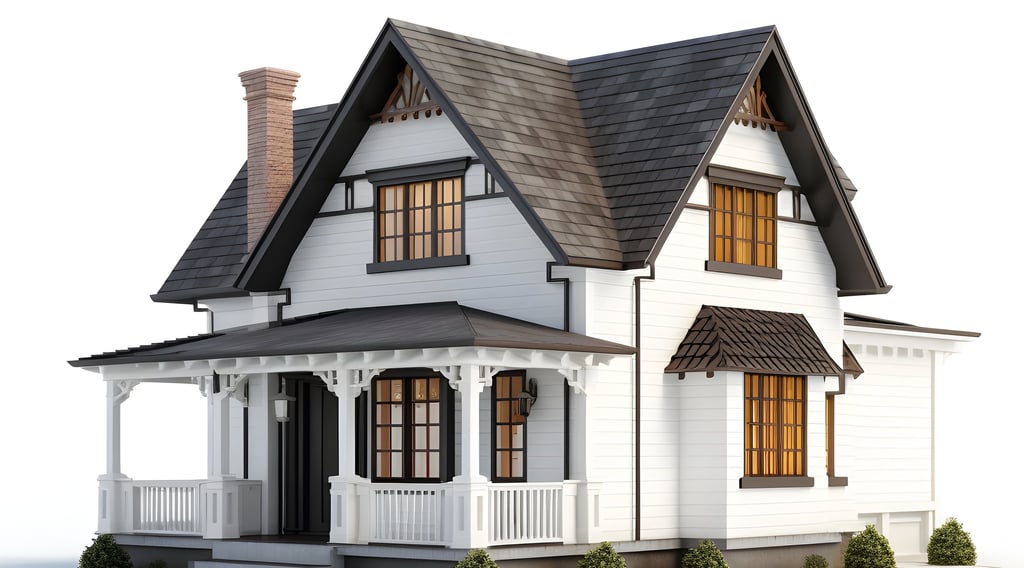
An independent house (or villa) is a standalone property built on its own plot of land.
Pros:
Complete Ownership: Full control over land and structure.
High Customization: Freedom to design, expand, or renovate.
Privacy: No shared walls or common areas.
Long-Term Value: Land appreciation can be significant.
Cons:
High Cost: Requires a larger investment upfront.
Maintenance Burden: All upkeep and security are your responsibility.
Limited Amenities: Unless part of a gated community, facilities are self-managed.
4. Key Factors to Consider
Budget: Flats are usually the most affordable, while independent houses are the most expensive.
Lifestyle: Choose flats for convenience, builder floors for balance, and independent houses for privacy.
Location: Urban areas favor flats; suburban or developing zones suit builder floors and houses.
Maintenance: Consider how much time and money you can dedicate to upkeep.
Investment Goals: Flats offer rental income; houses offer long-term appreciation.
Conclusion
The right choice depends on your priorities—whether it’s convenience, independence, or investment potential. Flats suit those seeking community and low maintenance, builder floors offer a middle ground, and independent houses provide full control and privacy. Evaluate your lifestyle, budget, and long-term goals before making your decision.